





Here’s an SEO-friendly educational article draft for your page on trailer sizing. It’s written to attract both beginners and search engines through clear structure, keyword-rich headings, and practical explanations.
What Size Trailer Do I Need? A Beginner’s Guide
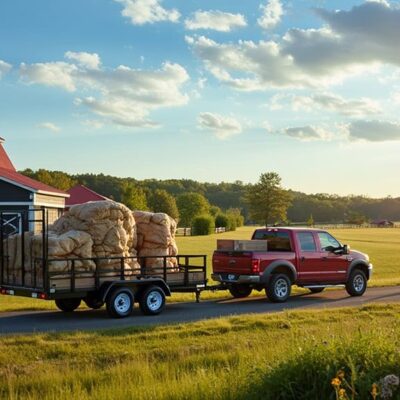
Choosing the right trailer size is one of the most important steps before you buy or rent one. Whether you’re hauling tools for work, moving furniture, or planning a family road trip, the right trailer size ensures safety, efficiency, and comfort on the road.
Understanding Trailer Sizing Basics
Trailer sizes are typically measured by length and width, such as 6×12 feet or 8.5×20 feet. The size you need depends on:
- The type of cargo you plan to haul.
- The weight capacity your vehicle can tow.
- How often you will use the trailer.
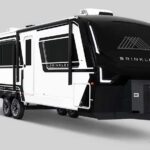
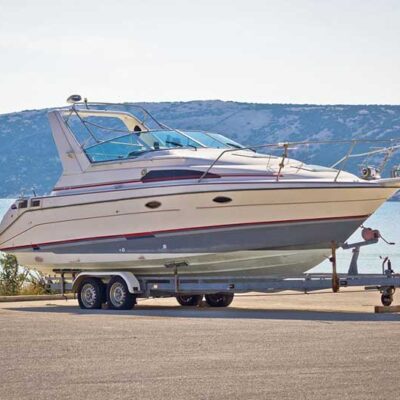
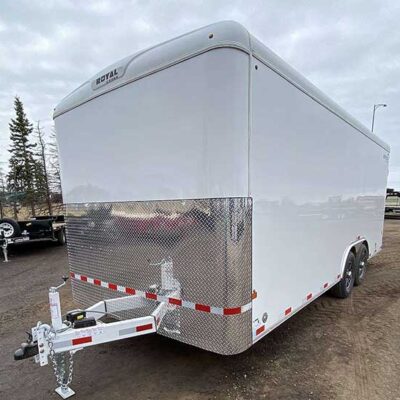
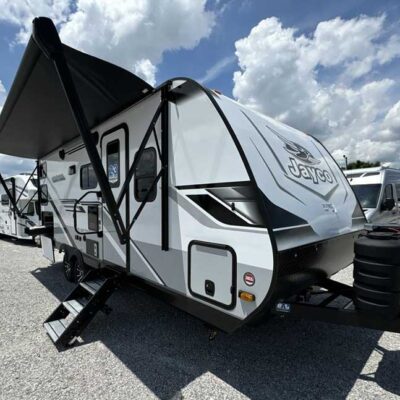
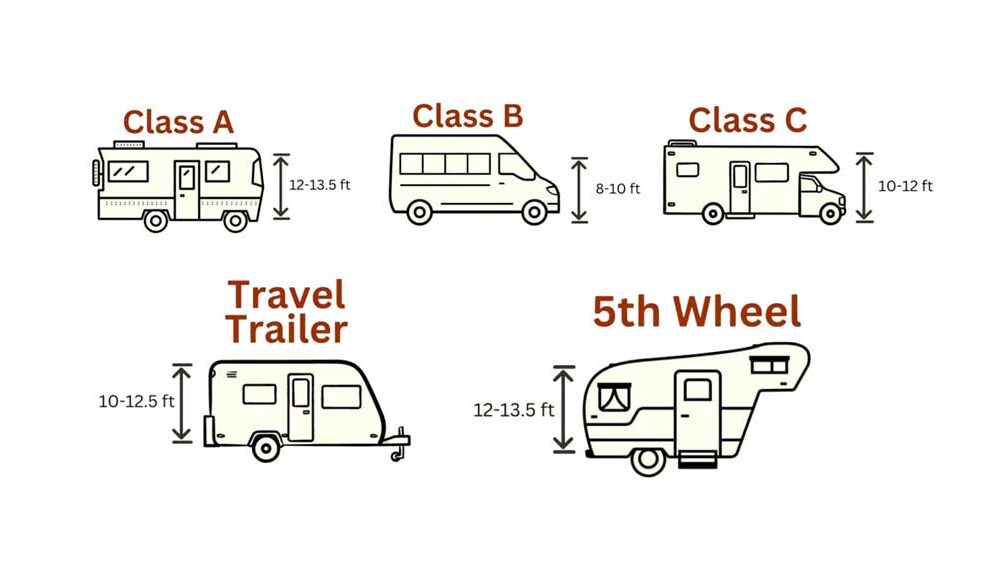
Trailers are usually divided into utility trailers, enclosed cargo trailers, and travel trailers (RVs) — each serving a different purpose.
Common Trailer Sizes and Their Uses
1. Small Trailers (4×6 ft to 5×8 ft)
Ideal for homeowners and weekend projects. You can haul gardening tools, bikes, or small household items. Compact and easy to tow with most SUVs and small trucks.
2. Medium Trailers (6×10 ft to 7×14 ft)
Perfect for small business owners or movers. These trailers can carry appliances, ATVs, and construction equipment. They offer a balance between capacity and maneuverability.
3. Large Trailers (8×16 ft and above)
Best for commercial use or moving large loads. Contractors, landscapers, and logistics companies often use these to haul heavy materials or multiple vehicles.
How to Match Trailer Size With Your Vehicle
Before you decide, check your vehicle’s towing capacity in the owner’s manual. Overloading your vehicle can affect performance and safety.
Use this rule of thumb:
- Small SUV or crossover: up to 1,500 lbs towing capacity.
- Mid-size pickup: up to 5,000 lbs.
- Heavy-duty truck: 10,000 lbs or more.
Always account for the trailer’s own weight (empty weight) plus the cargo weight.
Tips for First-Time Buyers
- Choose a size slightly larger than your current need for future flexibility.
- Consider how and where you’ll store the trailer when not in use.
- Enclosed models protect items from weather, but open trailers are lighter and cheaper.
- Make sure your trailer has brakes and proper lighting for longer hauls.
Final Thoughts
The right trailer size depends on what you plan to transport, how often you tow, and what your vehicle can handle. Take time to compare sizes, materials, and weight ratings before purchasing.
Choosing the right fit will save you money, stress, and time on the road — making every haul smooth and safe.
Other Articles
Open vs. Enclosed Trailers: Pros, Cons, and Use Cases
Best RV Parks for Travel Trailers in the U.S. (2025 Picks)