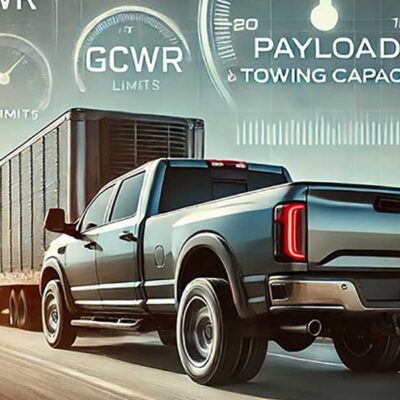








Trailer Towing Laws by State (2025 Update)
Towing a trailer requires understanding and complying with state-specific trailer towing laws, which are designed to ensure safety for all road users. In 2025, each state in the U.S. enforces its own regulations regarding trailer brakes, safety chains, lighting, speed limits, and towing lengths. When crossing state lines, the towing laws of the state you’re driving in apply regardless of where your vehicle and trailer are registered.
Key Regulations by State
Brakes: Most states require trailers over a certain weight to have brakes. This threshold varies but commonly falls between 1,500 to 5,000 pounds. For example, California mandates brakes on trailers over 1,500 pounds, Texas requires brakes on trailers over 4,500 pounds, and Florida on trailers over 3,000 pounds. Heavier trailers may need brakes on all wheels or air brakes.
Safety Chains: Nearly all states require safety chains as a secondary connection between trailer and towing vehicle for added security.
Lighting: Required lighting typically includes working tail lights, brake lights, turn signals, reflectors, and illuminated license plates. Some states require additional side marker lights and clearance lamps.
Speed Limits: States often impose lower speed limits for vehicles towing trailers, such as 55 mph or 60 mph, to account for increased stopping distances and handling challenges.
Vehicle Length: Combined lengths of towing vehicle and trailer are regulated, commonly with maximum limits around 48 to 65 feet.
Mirror Requirements: Extended mirrors may be required if the trailer obstructs the towing vehicle’s rear visibility.
Special Conditions: Slow-moving vehicle emblems may be required for trailers traveling under 25 mph. Some states require breakaway switches on lighter trailers without brakes.
Federal vs. State Laws
While federal regulations impact commercial towing, personal towing must comply with state-specific laws where you operate. Ensure that your setup adheres to both to avoid penalties.
Summary Table of Selected State Requirements (2025)
| State | Brakes Required Over (lbs) | Safety Chains Required | Speed Limit (mph) | Max Combined Length (feet) | Special Notes |
|---|---|---|---|---|---|
| California | 1,500 | Yes | 55 | 65 | Brakes on at least two wheels for trailers over 3,000 lbs. |
| Texas | 4,500 | Yes | 60 | 65 | Specific lighting including side markers and reflectors. |
| Florida | 3,000 | Yes | 55 | Varies | Breakaway switch required for trailers without brakes. |
| New York | 1,000 | Yes | Varies | Varies | Lower brake weight limit; strict lighting requirements. |
| Pennsylvania | 3,000 | Yes | Up to 65 | Varies | Mirrors must extend 6 inches beyond load width. |
(For a comprehensive state-by-state guide, consult detailed charts and regulations.)
Ensuring Compliance and Safety
- Always check the latest state-specific regulations before towing.
- Confirm trailer brake functionality, lighting, and safety chains.
- Adhere to posted speed limits and be mindful of length limits.
- Use extended mirrors if visibility is obstructed.
- Consult federal rules for commercial towing situations.
Other Articles
Best RV Parks for Travel Trailers in the U.S. (2025 Picks)
Top 5 Trailer Hitch Locks for Theft Prevention
No Comment! Be the first one.
Leave a Reply Cancel reply
This site uses Akismet to reduce spam. Learn how your comment data is processed.