
Trailer Brake Maintenance: What You Need to Know
Regular trailer brake maintenance is essential for safe towing and long-term performance. Properly maintained brakes not only protect your cargo and vehicle but also reduce wear and prevent costly repairs. Whether you’re towing an RV, enclosed cargo trailer, or utility trailer, understanding how trailer brakes work and how to care for them can make every trip safer and smoother.
Why Trailer Brake Maintenance Matters
Trailer brakes take on heavy loads and frequent stops, especially when traveling on steep grades or highways. Over time, dirt, moisture, and friction lead to wear and reduced braking power. Ignoring maintenance can result in poor stopping performance, uneven braking, and even dangerous trailer sway.
Regular brake maintenance ensures:
- Consistent braking performance under all conditions
- Extended life of brake components
- Improved towing safety and vehicle control
- Savings on long-term repair costs
Types of Trailer Brakes
Understanding your trailer’s brake system helps you perform accurate maintenance. The two most common types are:
1. Electric Brakes
These use an electric signal from the tow vehicle’s brake controller. They’re common on utility and travel trailers for their ease of control and smooth operation.
2. Hydraulic Surge Brakes
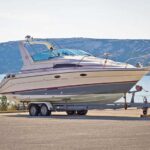
These activate automatically when the tow vehicle slows down. They’re often found on boat trailers or heavy-duty tow units.
Each type requires unique inspection and service steps, so always consult your owner’s manual for manufacturer recommendations.
Key Trailer Brake Maintenance Tips
1. Inspect Regularly
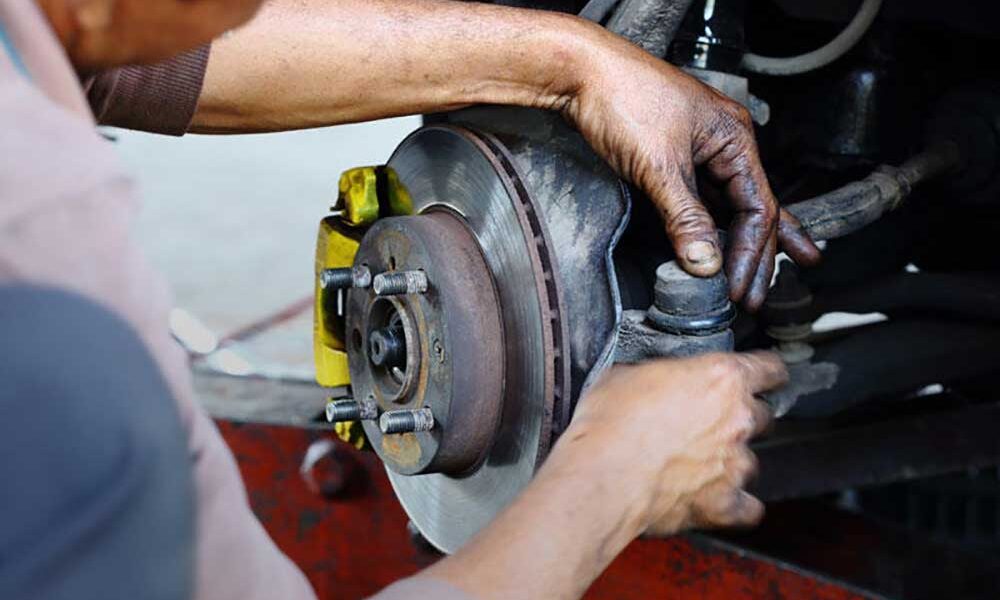
Check brake shoes, pads, drums, and rotors for wear or cracks. Replace components showing signs of thinning or uneven wear.
2. Clean and Lubricate Components
Use brake cleaner to remove dust, grime, and debris. Lubricate moving joints and pivot points with high-temperature grease to reduce friction.
3. Test Brake Adjustment
For electric brakes, ensure the controller settings match trailer weight. For manual adjustments, tighten and release as recommended to maintain proper tension.
4. Check Electrical Connections
Corroded or loose wiring can cause weak or unresponsive braking. Keep connectors clean and ensure wire insulation remains intact.
5. Monitor Brake Fluid (Hydraulic Systems)
Top up fluid levels and check for leaks in surge brake lines. Replace old fluid periodically to maintain responsiveness.
Signs You Need Immediate Brake Service
- Grinding or squealing noises during braking
- Trailer pulling to one side
- Longer stopping distances
- Brake controller warnings or flickering lights
- Overheating hubs after short drives
Addressing these problems early keeps your trailer roadworthy and ensures reliable stopping power.
Trailer Brake Maintenance Schedule
| Task | Frequency |
|---|---|
| Visual inspection | Every 3 months or before long trips |
| Clean & lubricate moving parts | Every 6 months |
| Replace brake pads/shoes | Every 12 months or as needed |
| Check wiring & connectors | Monthly |
| Test brake controller | Before every trip |
Final Thoughts
Staying proactive with trailer brake maintenance ensures you travel safely and confidently—whether hauling heavy cargo, boats, or campers. Build a simple maintenance checklist, schedule regular inspections, and always use high-quality parts designed for your trailer’s braking system.
Safe brakes mean safe journeys.
Frequently Asked Questions (FAQ)
1. How often should trailer brakes be inspected?
Trailer brakes should be inspected every three months or before any long trip. Regular checks help prevent brake failure and uneven wear.
2. What are common symptoms of bad trailer brakes?
Common signs include squealing noises, longer stopping distances, pulling to one side, and flickering brake controller lights.
3. Can I adjust electric trailer brakes myself?
Yes, most electric brake systems allow manual adjustment using a simple procedure. Always follow the manufacturer’s instructions for proper tension and settings.
4. How do I keep my trailer brake system in top condition?
Clean brake parts regularly, lubricate moving components, check wiring connections, and replace worn pads or shoes promptly.
5. Are hydraulic surge brakes better than electric brakes?
Both have advantages—hydraulic brakes are automatic and ideal for marine trailers, while electric brakes offer more control for heavy-duty towing.
Other Articles
How to Store Your Trailer for Winter (Checklist)
How Often Should You Replace Trailer Tires?
No Comment! Be the first one.
Leave a Reply Cancel reply
This site uses Akismet to reduce spam. Learn how your comment data is processed.