
Open vs. Enclosed Trailers: Pros, Cons, and Use Cases
When choosing a trailer for your hauling needs, understanding the differences between open trailers and enclosed trailers can help you make the right decision. Both serve specific purposes, and the best choice depends on what you plan to transport, your budget, and how often you use it.
What Is an Open Trailer?
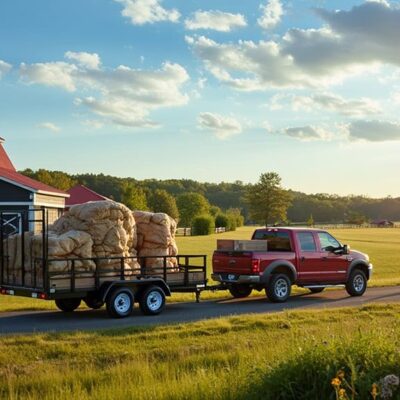
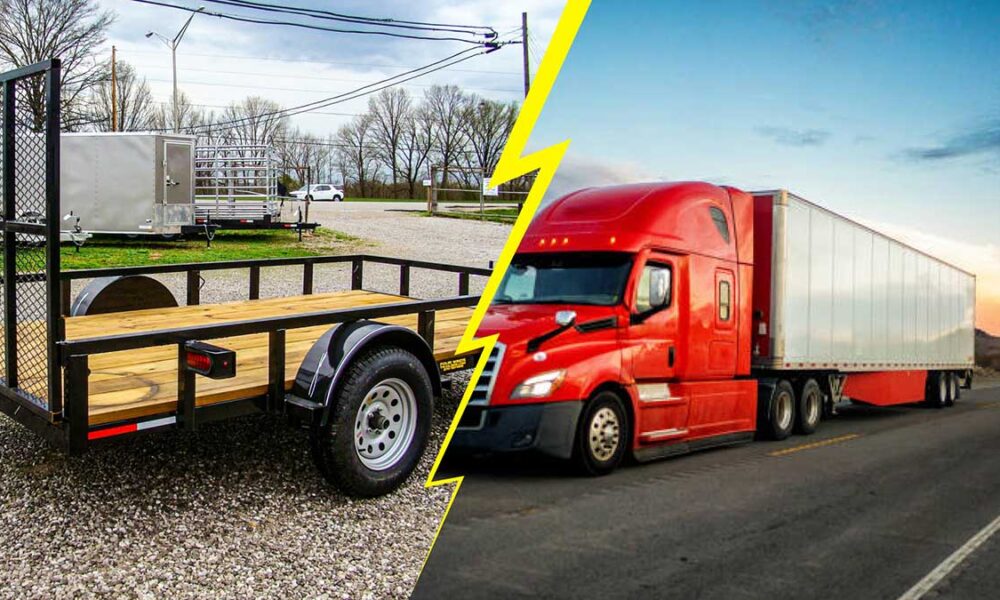
An open trailer has no roof or sides, leaving the cargo exposed to the elements. These trailers are often used for jobs that require frequent loading and unloading or for towing large and irregularly shaped items such as lawn equipment, construction materials, and vehicles.
Pros of Open Trailers:
- Lightweight, allowing more towing capacity and better fuel economy
- Lower purchase and maintenance cost
- Easy access for loading with forklifts or by hand
- Ideal for oversized and tall cargo
Cons of Open Trailers:
- Cargo is exposed to rain, dust, and road debris
- Limited protection against theft or vandalism
- May require extra tie-downs and covers for secure hauling
Best Use Cases:
- Landscaping businesses
- Transporting farm equipment or building supplies
- Short-distance vehicle towing
What Is an Enclosed Trailer?
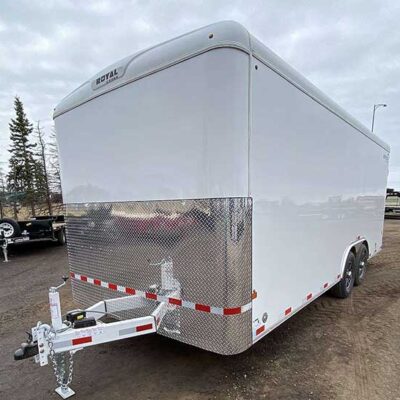
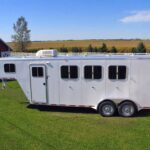
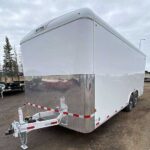
An enclosed trailer offers full coverage with walls and a roof, protecting cargo from weather, theft, and damage. Commonly used for long-distance hauls, valuable goods, or sensitive equipment, enclosed trailers come in various sizes and can be customized with shelving or racks.
Pros of Enclosed Trailers:
- Complete protection from weather and theft
- Can serve as mobile storage or a workshop
- Keeps equipment safe and clean
- Offers branding potential on exterior panels
Cons of Enclosed Trailers:
- Heavier weight, reducing fuel efficiency
- Higher upfront and maintenance costs
- More difficult to maneuver in tight spaces
Best Use Cases:
- Moving furniture or household goods
- Hauling motorcycles, ATVs, or classic cars
- Contractors carrying expensive tools and supplies
Open vs. Enclosed Trailers: Quick Comparison
| Feature | Open Trailer | Enclosed Trailer |
|---|---|---|
| Protection | Exposed to elements | Fully enclosed |
| Cost | More affordable | Higher investment |
| Weight | Lighter | Heavier |
| Fuel Efficiency | Better | Lower |
| Security | Moderate | High |
| Ideal Use | Construction, Landscaping | Moving, Equipment Protection |
How to Choose the Right Trailer
Consider the following factors before buying:
- Type of cargo: Weather-sensitive or valuable items need enclosed protection.
- Towing vehicle capacity: Match the trailer weight to your vehicle’s capability.
- Budget: Open trailers are cheaper but less secure, while enclosed options provide more versatility.
- Frequency of use: Frequent travelers or professionals hauling tools benefit most from enclosed trailers.
Final Thoughts
Choosing between open and enclosed trailers depends on your specific hauling needs, environment, and budget. If you prioritize affordability and easy access, an open trailer is a solid choice. If you need security, weather protection, and storage flexibility, an enclosed trailer offers long-term value.
Other Articles
Common Trailer Wiring Problems and How to Fix Them
What Size Trailer Do I Need? A Beginner’s Guide
No Comment! Be the first one.
Leave a Reply Cancel reply
This site uses Akismet to reduce spam. Learn how your comment data is processed.