






How Much Can I Tow? Understanding GVWR and Tongue Weight
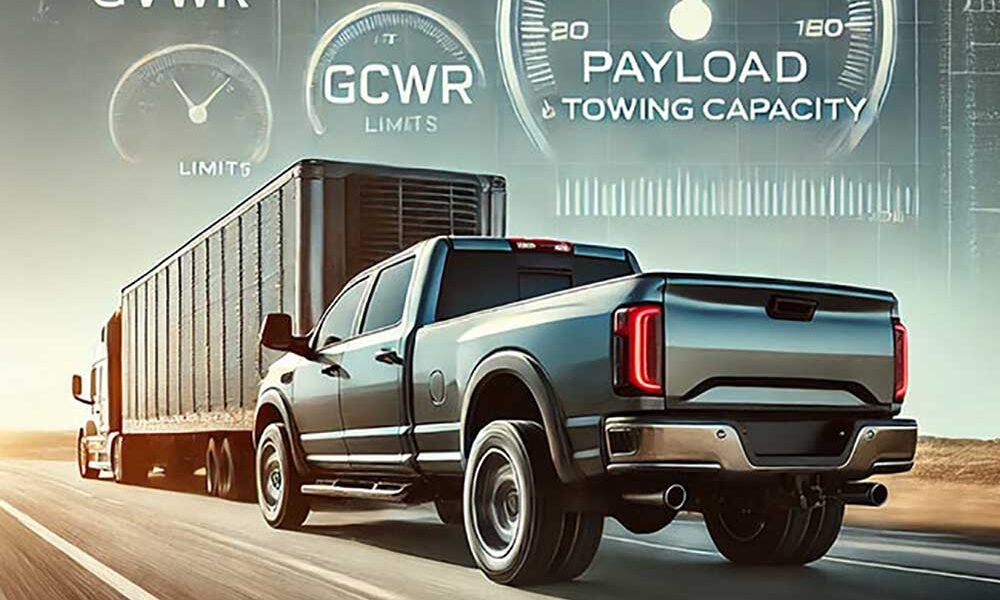
When it comes to safe towing, understanding how much your vehicle and trailer can handle is essential. Knowing your towing capacity, Gross Vehicle Weight Rating (GVWR), and tongue weight helps prevent overloading, protects your equipment, and ensures a smooth, safe trip.
What Is GVWR?
GVWR (Gross Vehicle Weight Rating) is the maximum total weight a vehicle or trailer can safely carry, including:
- The vehicle itself
- Passengers and cargo
- Fluids (fuel, oil, water, etc.)
- Tongue weight from a trailer
To find your GVWR, check the vehicle’s door sticker or the manufacturer’s manual. Exceeding the GVWR can strain your suspension, brakes, and engine, increasing the risk of accidents or mechanical failure.
What Is Tongue Weight?
Tongue weight (TW) is the downward force the trailer tongue exerts on the hitch of the tow vehicle. It usually equals 10–15% of the total trailer weight.
For example, a 5,000 lb trailer should have a tongue weight between 500–750 lbs. Maintaining the correct balance is critical — too much tongue weight can cause poor steering and suspension issues, while too little can lead to trailer sway.
How to Calculate Safe Towing Capacity
To determine how much you can safely tow:
- Check your vehicle’s towing capacity from the manufacturer specifications.
- Subtract the trailer’s loaded weight (including cargo) from your vehicle’s maximum capacity.
- Ensure tongue weight stays within 10–15% of the trailer’s total weight.
- Don’t exceed GCWR (Gross Combined Weight Rating) — the total allowable weight of both vehicle and trailer combined.
Why GVWR and Tongue Weight Matter
Proper weight distribution keeps your rig stable and your journey safer. Overloading can lead to:
- Poor braking performance
- Tire blowouts
- Sway or fishtailing
- Damage to the hitch, suspension, or chassis
Tips for Safer Towing
- Always use a weight distribution hitch for larger trailers.
- Load heavier items over the trailer axles.
- Inspect tires and brakes before each trip.
- Recheck your tongue weight using a scale after loading.
FAQs: GVWR, Towing Capacity, and Tongue Weight
1. How do I find my vehicle’s towing capacity?
Check the owner’s manual or the manufacturer’s towing guide for your vehicle. The information is also often found on the door jamb sticker.
2. What happens if I exceed GVWR?
Exceeding GVWR increases stress on the vehicle’s engine, brakes, and suspension, making it unsafe and possibly voiding your warranty.
3. Can I increase my vehicle’s GVWR or towing capacity?
No. GVWR and towing capacity are set by the manufacturer based on engineering limits. Adding aftermarket components does not change these ratings.
4. How can I measure tongue weight accurately?
Use a tongue weight scale or a household bathroom scale (for smaller trailers) to ensure it’s within 10–15% of the total trailer weight.
5. What is GCWR and how does it differ from GVWR?
GCWR (Gross Combined Weight Rating) is the maximum combined weight of the tow vehicle and trailer. GVWR applies to a single vehicle or trailer separately.
Final Thoughts
Understanding GVWR and tongue weight is key to safe, stress-free towing. Always stay within your limits, distribute weight evenly, and perform regular inspections to keep your vehicle and trailer in top shape.
Other Articles
Best Trailer Brands in 2025
Do You Need a Trailer License Plate?
No Comment! Be the first one.
Leave a Reply Cancel reply
This site uses Akismet to reduce spam. Learn how your comment data is processed.