



 Understanding Enclosed Trailers
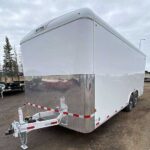
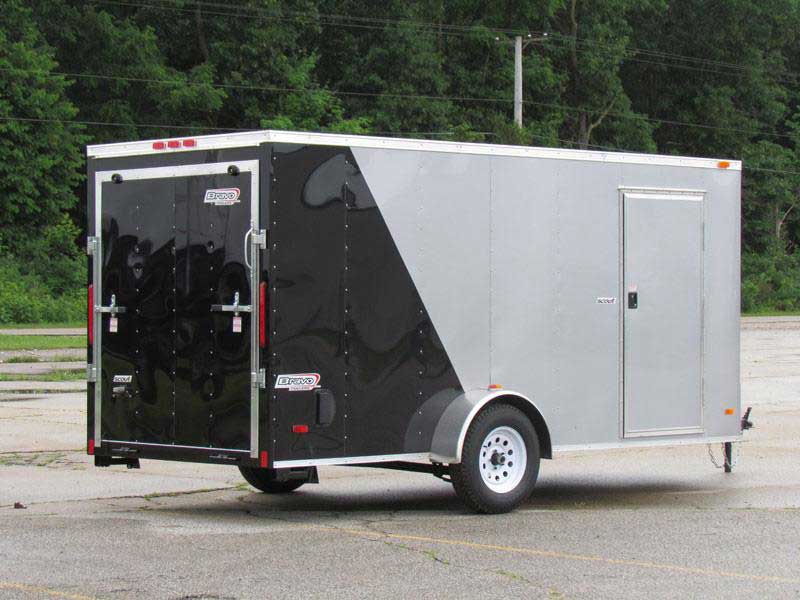
Enclosed trailers are versatile transport units designed to protect goods, equipment, or vehicles from weather damage and theft. Unlike open trailers, they have a full outer shell made of aluminum or steel panels, providing complete coverage and security during transit.
What Is an Enclosed Trailer?
An enclosed trailer is a towed vehicle with walls and a roof, creating a fully enclosed space for carrying cargo. They are commonly used by small business owners, contractors, and hobbyists who need reliable mobile storage or secure transportation options for tools, machinery, motorcycles, or furniture.
Key Features and Benefits
Weather Protection: Keeps your items safe from rain, dust, and sun exposure.
Enhanced Security: Lockable doors and durable construction protect valuable goods.
Customization Options: Can include shelving, ramps, interior lighting, and electrical setups.
Durability: Built with strong frames and rust-resistant materials for long-term use.
Versatility: Ideal for hauling construction tools, landscaping equipment, or even serving as a mobile workspace.
Types of Enclosed Trailers
Cargo Trailers: Used to transport appliances, building materials, or furniture.
Car Haulers: Designed for carrying vehicles safely over long distances.
Motorcycle Trailers: Compact size for transporting bikes and gear.
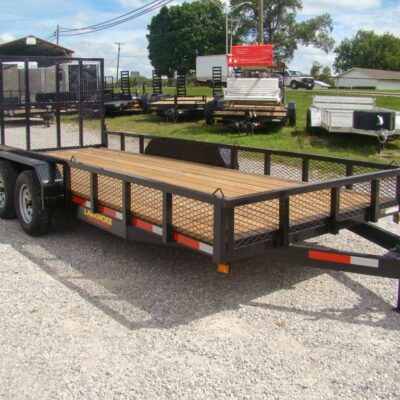
Utility Trailers: Multi-purpose trailers for both business and personal use.
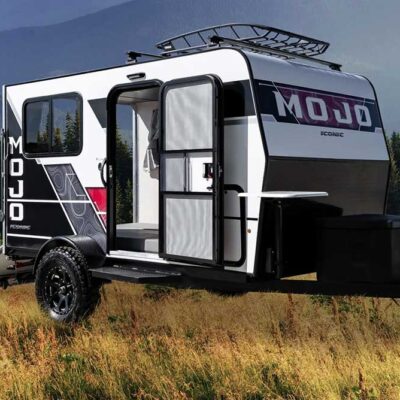
Custom Enclosed Trailers: Tailored with specialized racks, insulation, or branding for business visibility.
Choosing the Right Enclosed Trailer
When selecting an enclosed trailer, consider:
Size and Weight Capacity: Ensure it matches your vehicle’s towing power.
Material: Aluminum trailers are lightweight and corrosion-resistant, while steel offers maximum strength.
Door Style: Ramp doors suit vehicles and heavy equipment, while barn doors fit manual loading.
Axle Type: Single-axle trailers are easier to maneuver, while tandem-axle trailers support heavier loads.
Educational Insight
For students learning about logistics, engineering, or business operations, enclosed trailers demonstrate practical applications of design efficiency, mechanical safety, and supply chain management. Understanding their structure and purpose helps learners connect mechanical design with real-world transport needs.
Common Uses of Enclosed Trailers
Mobile workshops
Equipment transport for landscaping or construction companies
Moving storage units
Event and catering transport
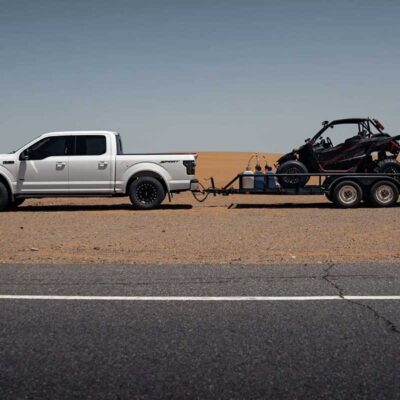
Motorbike or ATV hauling
Maintenance and Safety Tips
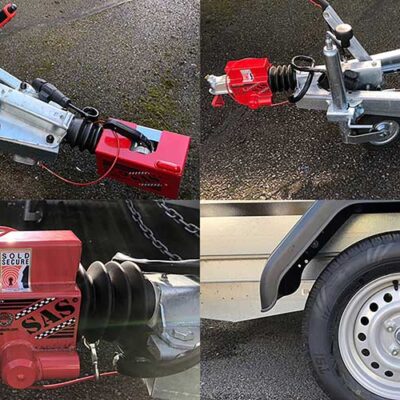
Inspect tires, brakes, and lights regularly.
Lubricate hinges and locks to prevent corrosion.
Balance weight evenly across the trailer floor.
Keep documentation and permits updated if used for commercial purposes.