

Do You Need a Trailer License Plate?
Owning a trailer brings convenience for hauling goods, vehicles, boats, or heavy equipment—but many owners ask an important question: Do you need a license plate for your trailer? The answer depends on your trailer type, weight, and your state’s registration laws.
Why Trailer License Plates Matter
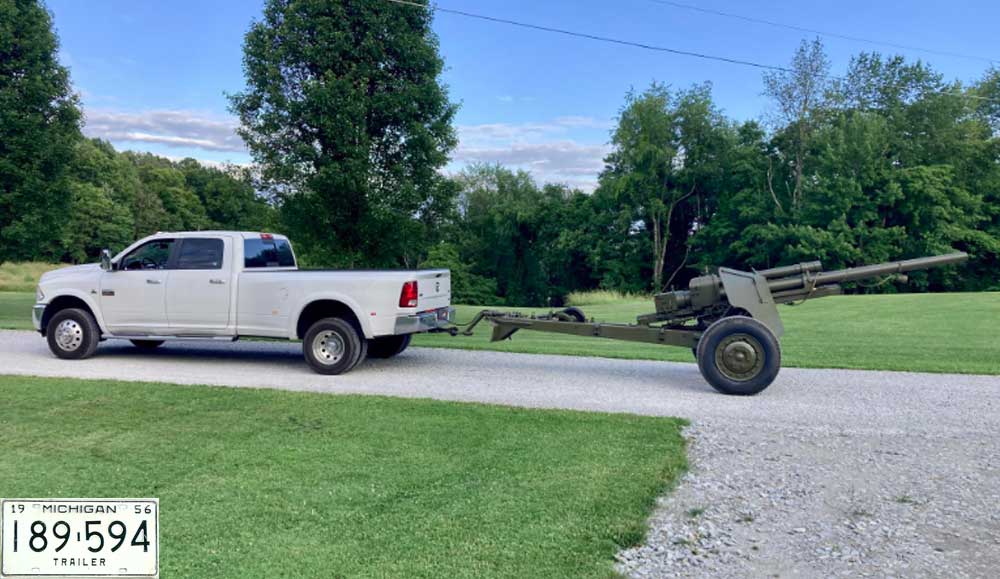
A trailer license plate legally identifies your trailer, just like your vehicle’s tag. It ensures that your trailer is registered under your name, making it easier to recover if stolen and proving ownership on the road. In most states, it’s illegal to tow an unregistered trailer on public roads.
Trailer Registration Requirements
Trailer registration laws vary by state, but most require a title, license plate, and registration sticker for all types of trailers used on public roadways. The following factors determine your trailer’s requirements:
- Weight and Purpose: Heavier or commercial-use trailers generally require plates.
- State Regulations: Each state’s DMV has different classification rules for utility, boat, or camper trailers.
- Private Property Use: Trailers used only on farms or private land may be exempt in some regions.
Always check your local DMV website or office for specific registration rules before towing.
Common Trailer Types That Need Plates
- Utility Trailers – typically require registration and plates unless used privately.
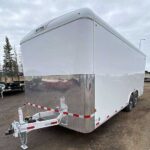
- Enclosed Cargo Trailers – always require plates if used on highways.
- Boat Trailers – must be registered for watercraft transport.
- Travel Trailers and Campers – need both license plates and annual tags in most states.
- Commercial Trailers – require special commercial plates and inspection certificates.
Penalties for Not Having a License Plate
Driving without a trailer license plate can lead to fines, vehicle impoundment, or even insurance claim issues. Law enforcement may also stop your vehicle for missing or expired tags.
How to Get a Trailer License Plate
- Gather the bill of sale, proof of ownership, and VIN number.
- Visit your local DMV or complete the process online where available.
- Pay the registration fee and receive your plate and sticker.
- Attach the plate securely to the rear of your trailer.
Final Thoughts
Getting a trailer license plate is a simple step toward legal and safe towing. Whether you own a small utility trailer or a large RV hauler, compliance keeps you road-ready and worry-free.
Other Articles
How Much Can I Tow? Understanding GVWR and Tongue Weight
Solar Panel Kits for Travel Trailers (Top Picks)

No Comment! Be the first one.
Leave a Reply Cancel reply
This site uses Akismet to reduce spam. Learn how your comment data is processed.