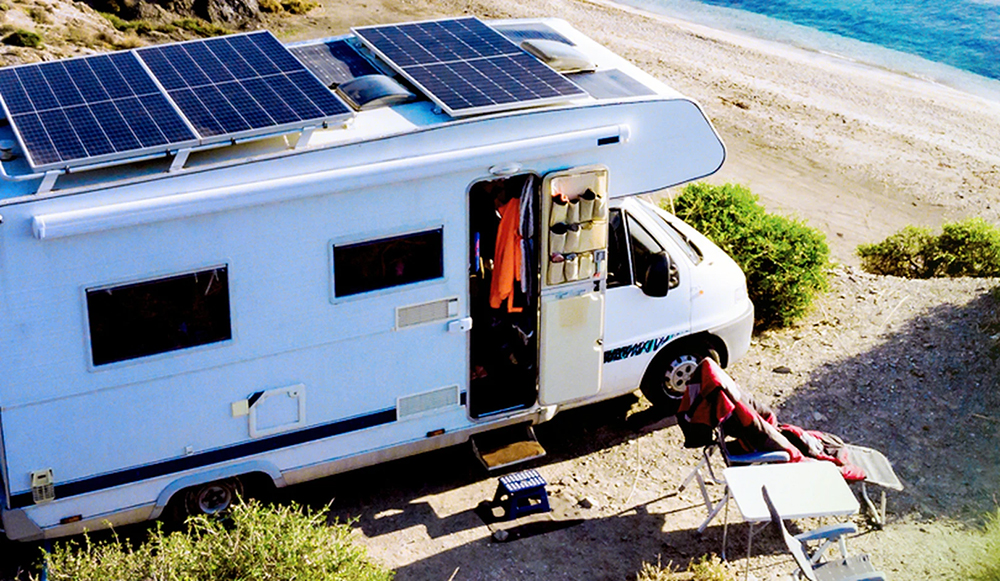
Solar Panel for Trailers 2026 – The Complete Guide to Off‑Grid Power
If you use a travel trailer, RV, or utility trailer, 2026 is the perfect time to invest in solar power and cut your dependence on noisy generators and unpredictable grid access. Modern panels and batteries now make it easy to run lights, fans, fridges, and even work equipment entirely off‑grid.
Why Solar Panels for Trailers Are a Game‑Changer in 2026
Solar panels convert free sunlight into electricity, giving your trailer a reliable, quiet, and clean power source wherever you park. For both campers and commercial fleets, that means lower running costs and fewer headaches with dead batteries or fuel runs.
Key benefits of a trailer solar system
Energy independence: Camp or park without shore power, extension cables, or generator restrictions at campgrounds.
Fuel and cost savings: Trailer solar setups can significantly reduce diesel or petrol use for generators and refrigeration units.
Low maintenance: Once installed, panels need only occasional cleaning and basic checks.
Battery protection: Solar keeps batteries topped up, reducing deep discharges and extending battery life.
Cleaner operations: Less noise, no fumes, and lower CO₂ emissions – important for both eco‑conscious travelers and transport companies.
Types of Solar Panels for Trailers in 2026
In 2026, you can choose from three main solar options for trailers, each with its own strengths.
1. Rigid roof‑mounted panels
Rigid monocrystalline panels are the most common choice for travel trailers and RV roofs. They offer high efficiency and durability, making them ideal if your trailer has a solid roof and you want a permanent setup.
2. Flexible and lightweight panels
Flexible panels are thin, lightweight, and can bend slightly to follow curved trailer roofs or be bonded directly to surfaces. They are excellent where weight is critical or mounting holes in the roof are a concern.
3. Portable and folding solar kits
Portable solar suitcases and folding panels let you park your trailer in the shade while placing panels out in the sun. These are popular for campers who change locations often or cannot permanently modify the trailer roof.
Quick comparison table
Panel Type
Best For
Pros
Cons
Rigid roof
Long‑term travel trailer setups
High output, durable, good value
Heavier, requires mounting holes
Flexible
Curved or weak roofs
Lightweight, low‑profile, easy bonding
Slightly lower lifespan, costlier/W
Portable/folding
Occasional or mixed use
Movable, no roof changes needed
Needs setup, can be stolen/misplaced
New Solar Technology Trends That Matter for Trailers in 2026
Solar technology has evolved quickly, and several 2026 trends directly benefit trailer users.
High‑efficiency cells: N‑type and tandem (perovskite‑silicon) cells are pushing real‑world panel efficiency above 23–24%, meaning more power in the same roof space.
Lightweight and flexible modules: New materials make panels thinner and lighter, ideal for small campers and cargo trailers.
Better batteries and storage: Lithium iron phosphate (LiFePO₄) batteries provide fast charging, deep discharge cycles, and long life – perfect for daily off‑grid trailer use.
Smart charge controllers: MPPT controllers with Bluetooth and app monitoring let you track solar input, battery health, and loads from your phone.
If you are updating an older trailer solar setup in 2026, upgrading the controller and battery often delivers as much benefit as simply adding more panel wattage.
How to Size a Solar Panel System for Your Trailer
Choosing the right solar panel for trailers in 2026 starts with understanding your power needs. You want enough solar and battery capacity to comfortably run your essentials without constantly watching the meter.
Step 1: List your daily loads
Write down all devices you want to run:
LED lights, water pump, phone and laptop charging
12V fridge, fan or vent, TV or router
Occasional high‑draw items (microwave, coffee maker, induction cooker via inverter)
Then estimate how many hours per day each device runs to get a rough daily energy use in watt‑hours.
Step 2: Match to solar wattage
As a simple rule of thumb in 2026:
Weekend or light users: 200–300 W of panels + 100–150 Ah lithium battery
Regular off‑grid campers: 400–600 W of panels + 200–300 Ah lithium battery
Heavy usage / small AC support: 800 W+ of panels + large lithium bank and efficient inverter
Sunlight hours, climate, and shading (trees, buildings) will affect the final number, so it is wise to oversize slightly if roof space allows.
Basic Components of a Trailer Solar Setup
A well‑designed 2026 trailer solar system includes more than just panels.
Solar panels: Roof‑mounted, flexible, or portable modules that harvest sunlight.
Charge controller: Prefer MPPT for maximum efficiency, especially with higher‑voltage arrays.
Battery bank: Lithium (LiFePO₄) is now the preferred option for trailers because of its long life and deep discharge capability.
Inverter (optional): Converts DC battery power to AC to run standard household appliances.
Wiring, fuses, breakers, and mounts: Ensure safety, stability, and compliance with electrical standards.
Installation Overview – Roof or Portable?
If you are comfortable with basic tools and 12V systems, a DIY trailer solar installation is possible, though many owners still prefer professional installers.
Roof‑mounted installation outline
Measure and plan your layout, avoiding vents, AC units, and shading objects.
Mount brackets or bonding pads, then secure panels according to the manufacturer guidelines.
Run cables through a gland or junction box into the trailer, then to the charge controller.
Connect the controller to the battery bank with appropriately sized cables and fusing.
If using an inverter, connect it to the battery and AC distribution safely.
Test the system in full sun, confirm voltages, charging current, and load operation.
Portable kits simplify this by combining panels, controller, and cabling so you only connect to the battery or a portable power station.
Costs, Savings, and ROI in 2026
Pricing varies by region and brand, but trailer solar has become more affordable in 2026 while performance keeps improving.
Small starter kits: Ideal for weekend campers, typically include 100–200 W of panels plus basic accessories.
Mid‑sized systems: 400–600 W kits with MPPT controllers are now common for travel trailers and can meaningfully reduce generator use.
Larger off‑grid setups: 800 W+ arrays combined with lithium batteries can power serious loads and support commercial use like refrigerated or surveillance trailers.
Fleet trials have shown that trailer solar can save hundreds to thousands of liters of diesel per vehicle per year when used to support refrigeration and on‑board systems. For private users, the payback often comes through lower campground fees, fuel savings, and longer battery life.
How to Choose the Best Solar Panel for Your Trailer in 2026
When shortlisting products or kits, focus on more than just total watts.
Efficiency and warranty: Check panel efficiency numbers, manufacturer reputation, and 20–25 year performance warranties where available.
Weight and mounting options: Make sure your trailer roof can support the system and that mounting hardware is compatible.
Battery type: Confirm your controller and system are matched to lithium if you plan to use LiFePO₄.
Expandability: Choose systems that allow adding more panels or battery capacity later.
Support and documentation: Good manuals, wiring diagrams, and support channels are a big help for DIY users.
Final Thoughts – Is 2026 the Right Time to Go Solar on Your Trailer?
With higher‑efficiency panels, smarter charge controllers, and long‑life lithium batteries, 2026 is one of the best years yet to install a solar panel system on your trailer. Whether you own a compact teardrop, a full‑size travel trailer, or a commercial cargo or reefer trailer, solar can lower your running costs and give you reliable power anywhere the road takes you.
You can now adapt this post with your brand name, internal links (e.g., to your solar products or services pages), and location‑specific CTAs such as “Get a free trailer solar quote today” to turn readers into leads.
Frequently Asked Questions – Solar Panel for Trailers 2026
1. How many solar panels do I need for my trailer?
The number of panels depends on your daily energy use, climate, and how often you camp off‑grid. Many travel trailers in 2026 work well with 400–600 W of solar for regular off‑grid use, while light weekend users may be fine with 200–300 W.
2. Can solar panels run the air conditioner in my trailer?
Running a traditional RV air conditioner purely from solar is challenging because AC units draw a lot of power. In practice, most trailer owners use solar to handle lights, fridge, fans, and electronics, and either upgrade to very efficient AC units or use generators for long cooling periods.
3. Are flexible solar panels good for trailers?
Yes, flexible panels are useful when your trailer roof cannot support heavy rigid panels or you want a low‑profile installation. However, they may have slightly shorter lifespans and higher cost per watt than quality rigid modules, so they are best where weight or mounting is the main concern.
4. What type of battery is best with trailer solar in 2026?
Lithium iron phosphate (LiFePO₄) batteries are widely considered the best choice for trailer solar systems in 2026. They offer more usable capacity, faster charging, and much longer cycle life than traditional lead‑acid batteries, which makes them ideal for frequent off‑grid use.
5. Do I need an MPPT charge controller for my trailer solar system?
An MPPT charge controller is not absolutely mandatory, but it is highly recommended for most modern trailer solar setups. MPPT technology extracts more power from your panels, especially in partial shade and cold conditions, improving efficiency compared with basic PWM controllers.
6. Can I install trailer solar panels myself?
Many trailer owners with basic DIY and 12V skills successfully install their own systems using good wiring diagrams and safety practices. If your system is large or ties into complex AC wiring, hiring a professional installer is safer and may protect warranties and insurance coverage.
7. How much does a solar panel system for a trailer cost in 2026?
Costs vary by size and components, but small starter kits are relatively affordable, while full off‑grid systems with lithium batteries cost more upfront. Thanks to falling solar prices and better efficiency, many users recover their investment over time through fuel savings, reduced generator use, and longer battery life.
8. Will solar panels work on cloudy days or in winter?
Solar panels still generate power in cloudy conditions, just at reduced output. In winter, shorter days and lower sun angles mean you may need more panel capacity or be more selective with your power usage, but modern high‑efficiency panels still perform well when properly sized.