




Seasonal Trailer Maintenance Checklist (Winter Edition)
Preparing a trailer for winter reduces the risk of breakdowns, frozen components, and structural damage from snow, ice, and road salt. This winter maintenance checklist is designed as an educational guide so owners can follow a logical, SEO‑friendly structure and quickly find each task they need.
Inspect and protect your tires
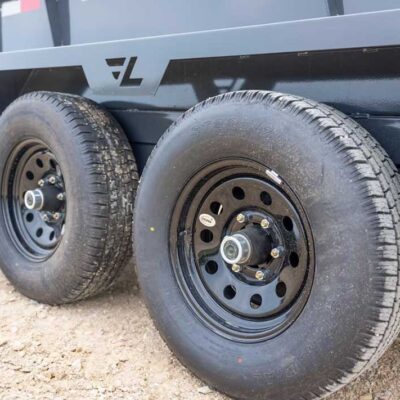
Cold temperatures reduce tire pressure, so start by checking PSI against the manufacturer’s recommendation and inflating as needed. Inspect tread depth, sidewalls, and valve stems for cracks or uneven wear, and consider winter‑rated tires if you tow regularly on snow or ice for better traction.
- Check and adjust tire pressure in cold conditions.
- Inspect tread, sidewalls, and valve stems for damage.
- Torque wheel nuts to the specified value to prevent loosening.
Check brakes, hubs, and bearings
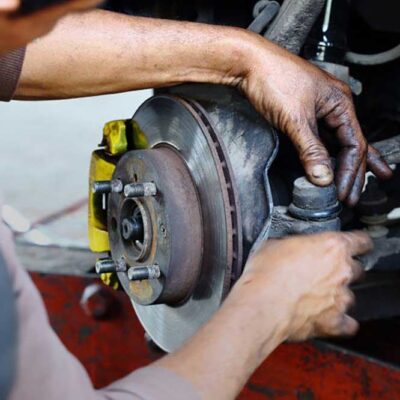
Winter moisture and temperature swings can affect braking performance, so verify that electric or hydraulic brakes engage smoothly and without pulling. Inspect brake lines, air lines (for air‑brake trailers), hubs, and wheel bearings, and service or repack bearings where required to prevent seizing.
- Test brake operation at low speed before every winter trip.
- Inspect brake pipes/lines for leaks, corrosion, or cracking.
- Listen for grinding or vibration that may indicate bearing issues.
Test lights and electrical system
Short winter days make lighting critical, so walk around the trailer and test brake lights, turn signals, markers, and license plate lights. Clean corroded connectors, check wiring for chafing, and ensure the battery is fully charged and terminals are clean before storage or travel.
- Replace any blown bulbs or damaged LED units.
- Clean and protect plug and socket connections with dielectric grease.
- Charge or disconnect the battery if storing the trailer in freezing conditions.
Protect the frame, body, and roof
Road salt and moisture accelerate rust, so wash the trailer thoroughly before deep winter and after any salted‑road use. Inspect the frame, coupler, safety chains, jack, doors, seals, and roof for rust, cracks, and gaps, then touch up paint, lubricate moving parts, and reseal joints to keep water out.
- Inspect doors, hinges, latches, and seals for damage or air gaps.
- Check the roof and seams for cracks, loose sealant, or ponding areas.
- Apply a protective coating or rust inhibitor on vulnerable metal surfaces.
Manage fluids, plumbing, and moving parts
If the trailer has brakes, suspension components, or plumbing, winter temperatures can thicken fluids or freeze standing water. Check brake fluid and grease points, drain any water tanks or lines that might freeze, and lubricate jacks, couplers, leaf‑spring bolts, and hinges so they do not seize.
- Top up and check appropriate lubricants and greases.
- Drain fresh, grey, and black water systems on RV or travel trailers before frost.
- Lubricate stabilizer jacks, couplers, and door hardware before storage.
Safe storage and regular winter checks
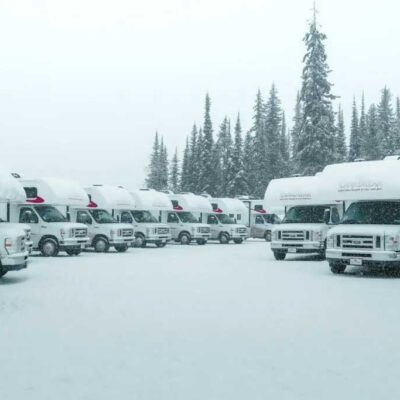
Where possible, store the trailer under cover or use a breathable, properly sized cover to shield it from snow, ice, and UV. During winter, periodically clear snow from the roof, visually recheck tires and lights, and look for any new rust, leaks, or damage so minor issues do not become costly repairs.
- Park on firm, level ground and use chocks to prevent movement.
- Keep the registration plate visible and free of snow and grime.
- Perform a brief walk‑around inspection before each winter tow.
| Season task type | Winter focus examples | Other seasons focus examples |
|---|---|---|
| Tires & wheels | Pressure in cold, winter traction, corrosion | Heat‑related wear, long‑trip checks |
| Brakes & bearings | Moisture, frozen lines, corrosion | Overheating after long descents |
| Body, seals & roof | Snow load, ice, salt, leaks | UV damage, expansion cracks |
| Electrical & battery | Low‑temp charge, short days, frozen cables | High‑load summer trips |
Other Articles
DIY Upgrades for Your RV Trailer: Budget-Friendly Ideas

No Comment! Be the first one.
Leave a Reply Cancel reply
This site uses Akismet to reduce spam. Learn how your comment data is processed.