







Installing a Weight Distribution Hitch: Full Guide
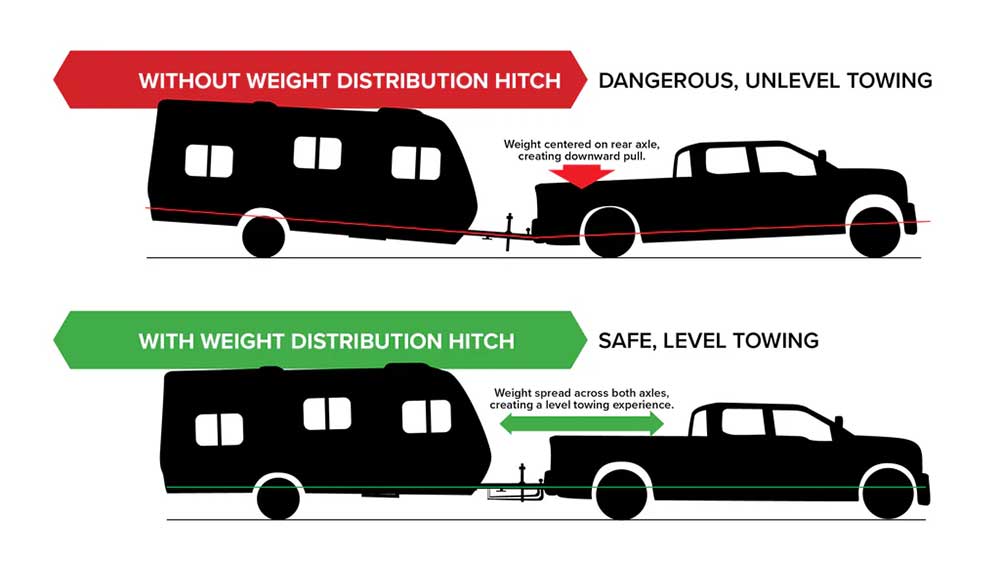
Towing a trailer safely requires more than just connecting it to your vehicle. A weight distribution hitch (WDH) is an essential piece of equipment that ensures stability and balance by evenly spreading the trailer’s tongue weight across all axles. This guide walks you through everything you need to know about installing a weight distribution hitch — step by step.
What Is a Weight Distribution Hitch?
A weight distribution hitch helps level your towing setup by transferring some of the tongue weight from the trailer hitch to the front axle of the tow vehicle. This improves steering, braking, and overall handling. It’s ideal for heavier trailers, travel trailers, or cargo haulers where sagging or swaying may occur.
Benefits of Using a Weight Distribution Hitch
- Improves vehicle control and stability
- Reduces swaying and fishtailing on highways
- Levels the towing setup for better visibility and headlight alignment
- Enhances braking performance
- Protects your vehicle’s suspension and tires
Tools You’ll Need
- Wrenches and socket set
- Tape measure
- Torque wrench
- Grease or hitch lubricant
- Safety gloves
Step-by-Step Installation Guide
- Measure and Prepare:
Park both your tow vehicle and trailer on level ground. Measure the front and rear wheel well heights before attaching the hitch. - Attach the Shank and Head:
Insert the shank into your vehicle’s receiver hitch. Secure the head assembly at your estimated height using the provided bolts but don’t fully tighten yet. - Connect the Trailer:
Hitch your trailer onto the ball mount and note any drop in your vehicle’s rear suspension. Adjust the head tilt if necessary for even weight distribution. - Install the Spring Bars:
Attach the spring (or torsion) bars to the hitch head. Connect the opposite ends to the brackets on your trailer frame. Use the correct number of chain links or adjust the cam arms as recommended by your hitch manufacturer. - Tighten and Torque:
Double-check alignment and tighten all bolts to the specified torque settings. Re-measure your wheel heights — both front and rear should now be close to level. - Final Test and Adjustment:
Do a short test drive on a smooth road. Check for sway or uneven handling and make fine adjustments as needed.
Safety Tips
- Never exceed your trailer’s maximum tongue weight.
- Check all hitch components regularly for wear, corrosion, or loose connections.
- Always remove the spring bars before driving over steep driveways or uneven terrain.
- Follow your hitch manufacturer’s specific torque and setup instructions.
Final Thoughts
Installing a weight distribution hitch correctly makes towing smoother, safer, and more efficient. Whether you’re pulling a heavy travel trailer or an enclosed cargo trailer, proper setup helps prevent accidents and extends your vehicle’s lifespan.
Use this complete guide as your reference before every trip — ensuring a balanced, safe, and comfortable towing experience every time.
Other Articles
Solar Panel Kits for Travel Trailers (Top Picks)
Essential Accessories for New Trailer Owners

No Comment! Be the first one.
Leave a Reply Cancel reply
This site uses Akismet to reduce spam. Learn how your comment data is processed.