





Common Trailer Wiring Problems and How to Fix Them
Towing a trailer safely depends heavily on a properly functioning electrical system. Faulty wiring can lead to flickering lights, malfunctioning brakes, or even safety hazards on the road. Understanding common trailer wiring problems and how to fix them ensures safe operation and compliance with road regulations.
Why Trailer Wiring Is Important
Trailer wiring connects your tow vehicle’s electrical system to the trailer’s lights and brakes. It powers the:
- Tail lights
- Brake lights
- Turn signals
- Reverse lights (on some models)
- Electric brakes (if equipped)
When these systems fail, it can create confusion on the road and risk accidents. Regular inspection and maintenance help avoid these issues.
Common Trailer Wiring Problems
1. Corroded Connections
Moisture, road salt, and debris can corrode wiring terminals and plugs. Corrosion interrupts the electrical flow, leading to flickering or nonfunctional lights.
How to Fix:
Clean all connections with a wire brush and apply dielectric grease to protect against future corrosion.
2. Loose or Broken Wires
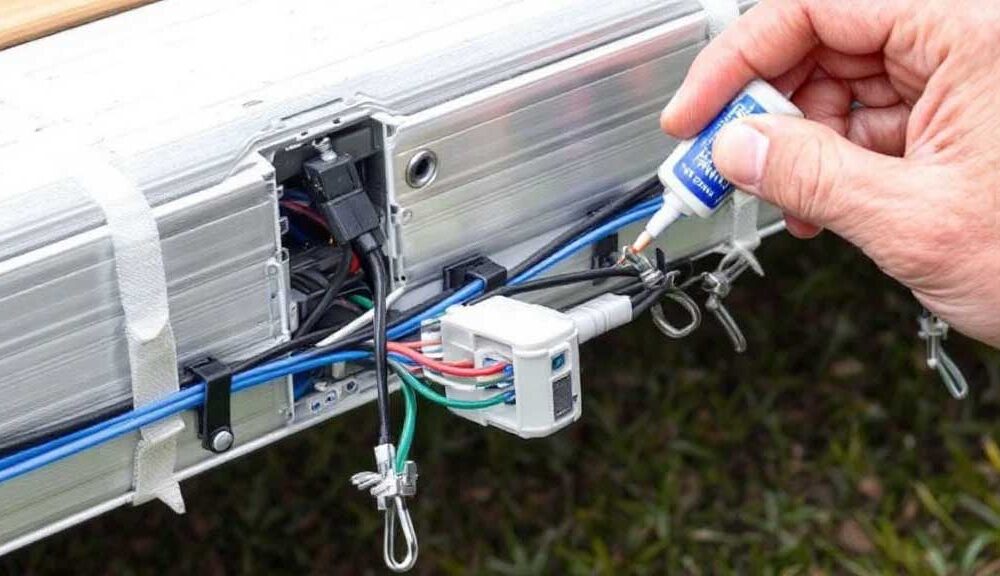
Vibrations from towing can loosen wires or cause breaks in the harness.
How to Fix:
Inspect the entire length of the wiring harness. Replace or solder broken wires and secure them with proper clips and electrical tape.
3. Blown Fuses
If trailer lights fail suddenly, blown fuses are often the culprit.
How to Fix:
Check your tow vehicle’s fuse box for trailer‑related circuits. Replace any blown fuses using the correct amperage rating recommended in your vehicle’s manual.
4. Faulty Ground Connection
A poor ground is one of the most common causes of trailer light malfunction. Without a proper ground, power cannot complete the circuit.
How to Fix:
Ensure the ground wire is clean, firmly attached to bare metal, and free from paint or rust. Never connect it to plastic or aluminum surfaces that can’t conduct electricity effectively.
5. Damaged Trailer Plug or Socket
Repeated plugging and unplugging can weaken pins or cause internal wear.
How to Fix:
Replace damaged plugs or sockets. When installing new connectors, match the wire colors correctly based on standard wiring diagrams.
Preventive Maintenance Tips
- Check your trailer lights before each trip.
- Keep connectors clean and dry when not in use.
- Use electrical contact cleaner periodically.
- Protect exposed wires with conduit or split loom tubing.
- Avoid overloading the electrical system with non‑standard accessories.
Conclusion
Regular trailer wiring inspection prevents electrical failures, reduces costly repairs, and keeps your travels safe. If you frequently tow in harsh weather, consider waterproof connectors and protective sealing for long‑term reliability.
By learning these simple fixes, you can confidently handle most trailer wiring problems and ensure consistent performance every time you hit the road.
Preventive Maintenance Tips
- Check your trailer lights before each trip.
- Keep connectors clean and dry when not in use.
- Use electrical contact cleaner periodically.
- Protect exposed wires with conduit or split loom tubing.
- Avoid overloading the electrical system with non‑standard accessories.
Frequently Asked Questions (FAQ)
1. Why do my trailer lights flicker while driving?
Flickering lights typically mean a loose connection, corroded plug, or poor grounding. Recheck all wiring connections and clean the contact points.
2. How can I test trailer wiring with a multimeter?
Set your multimeter to DC voltage. Connect the negative lead to the trailer ground and test each pin on the plug for the correct voltage when each light or brake is activated.
3. What causes my trailer’s turn signals to stop working?
Turn signals may fail due to blown bulbs, a bad fuse, or damaged wiring. Always test each part of the circuit individually to find the fault.
4. Can I use electrical tape for trailer wiring repairs?
Yes, but only as a temporary fix. For long‑term reliability, use heat‑shrink tubing and waterproof connectors to protect against moisture.
5. How often should I check my trailer wiring?
Inspect your wiring before each trip and perform a detailed inspection every few months, especially if you tow in wet or dusty conditions.
Other Articles
How Often Should You Replace Trailer Tires?
Open vs. Enclosed Trailers: Pros, Cons, and Use Cases

No Comment! Be the first one.
Leave a Reply Cancel reply
This site uses Akismet to reduce spam. Learn how your comment data is processed.